Running a successful restaurant requires more than a great menu and a welcoming atmosphere. Behind every smooth service is a carefully structured operation that supports efficiency, safety, compliance, and consistency. From the earliest setup stages to ongoing maintenance and staff training, every detail matters.
This guide walks through the essential operational components restaurant owners and managers need to consider. Each section focuses on practical steps you can implement right away to strengthen your business from the ground up.

Plan Your Workflow Before You Open the Doors
Before equipment is installed or staff is hired, map out how your kitchen and service areas will function. Think in terms of movement — how ingredients come in, how dishes are prepared, and how they reach the customer.
Start by sketching zones: prep, cooking, plating, dishwashing, and storage. Make sure each area flows logically into the next without unnecessary backtracking. Tight, efficient layouts reduce staff fatigue and improve speed during busy hours.
Stocking your space with reliable industrial supplies early on helps avoid interruptions later. From shelving units to prep tables, choosing durable materials ensures your operation can handle daily wear and tear. Keep frequently used items within arm’s reach to minimize wasted movement.
Take time to observe similar kitchens or consult with experienced chefs when designing your layout. Their insights can reveal bottlenecks you might not anticipate. Consider how many staff members will occupy each station and ensure there’s enough room to work safely without crowding.
A well-planned workflow saves time, reduces errors, and sets the tone for consistent service from day one. It also creates a foundation for training new staff quickly, since clear organization makes expectations easier to understand and follow.
Streamline Daily Tasks With Smart Equipment Choices
Efficiency in a restaurant often comes down to how easily staff can complete repetitive tasks. The right equipment doesn’t just support your team — it empowers them to work faster and more safely.
Mobility is especially important in busy kitchens. Using carry all utility carts allows staff to transport ingredients, dishes, and supplies without making multiple trips. This reduces physical strain and keeps operations moving smoothly during peak hours.
Choose carts that are easy to clean, maneuverable, and sturdy enough to handle heavy loads. Assign specific carts for specific purposes — one for prep ingredients, another for dirty dishes — to maintain organization and hygiene.
Beyond carts, evaluate other tools that can reduce manual effort. Ergonomic handles, adjustable shelving, and multi-purpose equipment can help streamline workflows. Even small upgrades, like better storage bins or labeled containers, can shave seconds off tasks that are repeated hundreds of times a day.
Regularly review your setup and ask staff for feedback. They often have valuable suggestions for improving efficiency since they interact with the equipment daily. Making thoughtful adjustments ensures your operation continues to evolve and improve over time.
Keep Ingredients Fresh With Proper Cold Storage Solutions
Food safety starts with proper storage. Maintaining consistent temperatures is critical for preventing spoilage and meeting health regulations.
For restaurants handling large quantities of perishable goods, refrigerated shipping containers can provide flexible, high-capacity storage. These units are especially useful during peak seasons or when expanding operations temporarily.
Position cold storage units in convenient yet compliant locations, ensuring easy access for staff while maintaining proper ventilation. Regularly monitor temperatures and document readings to stay aligned with food safety standards.
Organization plays a major role in maintaining freshness. Use clear labeling with dates and contents so staff can quickly identify items. Implement a first-in, first-out system to ensure older products are used before newer ones.
It’s also important to avoid overloading storage units. Proper airflow is necessary to maintain consistent temperatures, so leaving space between items can make a noticeable difference. Shelving should be arranged to keep raw and cooked foods separated, reducing the risk of cross-contamination.
Routine cleaning is another key factor. Spills and buildup can harbor bacteria and affect the performance of your cooling systems. Establish a cleaning schedule and hold staff accountable for maintaining these standards.
By combining the right equipment with disciplined processes, you can protect food quality, reduce waste, and maintain compliance with health regulations.
Build a Maintenance Plan That Prevents Costly Disruptions
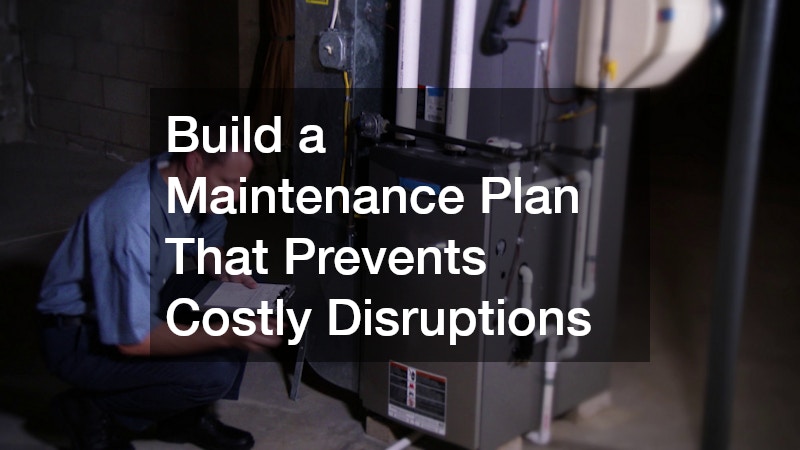
Unexpected equipment failures can bring service to a halt. A proactive maintenance strategy keeps everything running smoothly and reduces the risk of expensive downtime.
Pay close attention to plumbing systems, as even minor leaks can escalate quickly. Scheduling routine inspections and working with professionals for pipe repair services ensures issues are addressed before they become emergencies.
Create a maintenance calendar that includes daily, weekly, and monthly tasks. Train staff to recognize early warning signs like unusual noises, slow drainage, or inconsistent water pressure.
In addition to plumbing, include all critical equipment in your plan. Refrigeration units, cooking appliances, and ventilation systems should be inspected regularly. Keeping a log of maintenance activities helps track patterns and identify recurring issues.
Budgeting for maintenance is just as important as scheduling it. Setting aside funds for repairs and replacements ensures you’re not caught off guard when something needs attention.
Encourage a culture of accountability among your staff. When everyone takes responsibility for reporting issues promptly, small problems are less likely to turn into major disruptions.
Preventative care not only protects your equipment but also supports a safer and more efficient work environment. It allows your team to focus on delivering quality service without unexpected interruptions.
Manage Kitchen Ventilation and Air Quality Effectively
A well-ventilated kitchen is essential for both safety and comfort. Heat, smoke, and grease buildup can create hazardous conditions if not properly managed.
Proper restaurant kitchen hood installation is the foundation of an effective ventilation system. Make sure your hood is appropriately sized for your cooking equipment and meets local codes.
Clean filters regularly and schedule professional inspections to keep the system functioning at peak performance. Poor ventilation can lead to higher energy costs and increased fire risks, so it’s worth investing in proper setup and upkeep.
Air quality also affects employee well-being. Excessive heat and poor airflow can lead to fatigue, making it harder for staff to maintain productivity during long shifts. Ensuring proper ventilation creates a more comfortable working environment.
Consider supplementing your system with additional fans or air purification units if needed. These can help improve circulation and reduce airborne contaminants.
Regularly review your ventilation setup as your menu evolves. Adding new equipment or changing cooking methods may require adjustments to maintain proper airflow.
By staying proactive about air quality, you not only protect your kitchen but also create a more pleasant environment for your team, which can positively impact overall performance.
Stay Ahead of Fire Safety Requirements
Fire safety is a critical aspect of restaurant operations that cannot be overlooked. Kitchens are high-risk environments, making preparation and training essential.
Incorporating a fire sprinkler training video into your staff onboarding process helps ensure everyone understands how the system works and what to do in an emergency. Visual learning tools can make complex procedures easier to remember.
Conduct regular drills and review safety protocols frequently. Make sure fire extinguishers are accessible, and staff know how to use them properly.
Clear signage is another important component of fire safety. Emergency exits, alarm systems, and safety equipment should all be clearly marked and unobstructed.
Assign specific roles to staff members during emergencies so everyone knows their responsibilities. This reduces confusion and helps ensure a coordinated response.
Regular inspections of your fire safety systems are also essential. Sprinklers, alarms, and extinguishers should be checked to confirm they are functioning correctly and meet local regulations.
Taking these steps not only protects your team and customers but also helps you stay compliant with safety requirements. Preparedness can make all the difference in minimizing damage and ensuring everyone’s safety.

Handle Waste Responsibly and Efficiently
Waste management plays a major role in maintaining a clean and compliant kitchen. Improper disposal practices can lead to health violations and environmental issues.
Used oil, in particular, requires careful handling. Partnering with professional cooking oil disposal services ensures that waste is removed safely and recycled when possible.
Set up designated containers for different types of waste and train staff on proper disposal procedures. Keep waste areas clean and organized to prevent odors and pest problems.
Beyond oil disposal, consider implementing recycling programs for materials like cardboard, glass, and plastics. Reducing landfill waste can also lower disposal costs over time.
Schedule regular waste pickups to prevent overflow and maintain sanitation standards. Keeping detailed records of waste management practices can also be helpful during inspections.
Employee education is key. When staff understand the importance of proper waste handling, they are more likely to follow procedures consistently.
A well-managed waste system not only supports compliance but also contributes to a more sustainable and efficient operation. It reflects a commitment to responsibility that customers increasingly value.
Maintain Compliance With Labor and Safety Regulations
Understanding and following employment laws is essential for protecting both your staff and your business. Regulations can vary by location, but certain requirements apply broadly across the industry.
Familiarizing yourself with workers comp law helps ensure that employees are covered in case of workplace injuries. Proper documentation and reporting procedures are key components of compliance.
Provide safety training and maintain clear records of incidents and preventative measures. Keeping up with legal requirements not only avoids penalties but also builds a safer workplace culture.
Regularly review your policies and update them as laws change. Consulting with legal professionals or HR specialists can help ensure your practices remain compliant.
Clear communication with employees is also important. Make sure they understand their rights, responsibilities, and the procedures for reporting issues.
Maintaining accurate payroll records, scheduling practices, and safety documentation all contribute to compliance. These details may seem small, but they play a significant role in protecting your business.
By staying organized and informed, you can create a work environment that prioritizes safety, fairness, and accountability.
Keep Your Financial Processes Organized Year-Round
Financial management is an ongoing responsibility that requires attention to detail and consistency. Waiting until the end of the year to organize records can lead to unnecessary stress and errors.
Working with a reliable tax filing service helps ensure your financial documents are accurate and submitted on time. These services can also guide deductions and compliance requirements specific to the restaurant industry.
Maintain organized records of expenses, payroll, and inventory throughout the year. Using digital tools or accounting software can simplify this process and reduce the risk of mistakes.
Set aside time each week to review your financial data. Regular check-ins allow you to spot trends, manage cash flow, and make informed decisions.
Consider working with an accountant or financial advisor who understands the restaurant industry. Their expertise can help you optimize your financial strategy.
Keeping your finances in order not only supports compliance but also provides valuable insights into your business’s performance. This information is essential for planning growth and navigating challenges.

Keep Your Kitchen Running Smoothly With Smart Grease Control
Grease buildup is one of the most common causes of plumbing problems in restaurants. Without proper management, it can lead to blockages, backups, and costly repairs.
Installing and maintaining a grease trap is essential for capturing fats, oils, and grease before they enter your plumbing system. Regular cleaning and inspection keep the trap functioning effectively.
Train staff to avoid pouring grease down drains and to follow proper disposal procedures. Monitoring grease levels and scheduling routine servicing can prevent major disruptions.
Establish a cleaning schedule based on your kitchen’s volume of use. High-output kitchens may require more frequent maintenance to keep systems running smoothly.
Keep detailed records of cleaning and servicing activities. This documentation can be useful during inspections and helps ensure consistency.
Working with professionals for maintenance can also provide peace of mind. They can identify potential issues early and recommend solutions.
A consistent approach to grease management protects your infrastructure and keeps your kitchen running smoothly. It’s a simple but essential practice that supports long-term operational success.
Strong restaurant operations are built on thoughtful planning, consistent maintenance, and a commitment to safety and efficiency. By focusing on the details behind the scenes, you create an environment where both staff and customers can thrive.
Taking a proactive approach to equipment, compliance, and daily workflows allows your business to adapt and grow with confidence. When every part of your operation works together seamlessly, delivering exceptional service becomes a natural result.